In diesem Beitrag werde ich die Möglichkeiten und Grenzen von Städtepartnerschaften, Städtediplomatie, Koalitionen von Gemeinden und zivilgesellschaftlicher Akteure als mögliche Lösungen für den globalen Aufstieg von Populismus und Neopopulismus diskutieren. Ich werde mich auf den Fall der türkisch-bosnischen (bosniakischen) Städte- und Gemeindepartnerschaften konzentrieren, die im gesamten Text als „Geschwisterstädte“ bezeichnet werden: Diese Metapher wird dem türkischen Begriff 'kardeş şehir', dem bosnischen Begriff 'pobratimlja' und der asymmetrischen, hierarchischen Beziehung dieser Arrangements besser gerecht. Diese neueren Formen von Städte- und Gemeindepartnerschaften weichen von vielen anderen, bekannten Beispielen ab – vor allem, weil sie von autoritären, rechten und neopopulistischen Akteuren dominiert werden.
[Public Diplomacy] The role of ‚Renommiergeld‘ in a culturally annotated economy (Part 7/8)
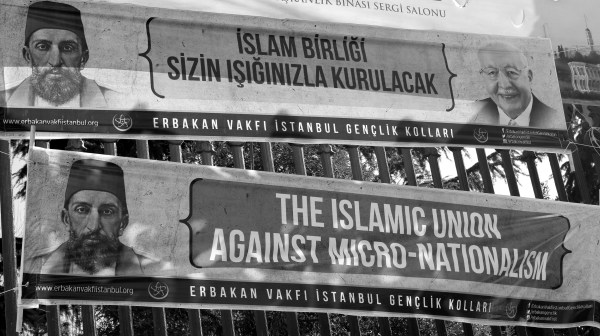
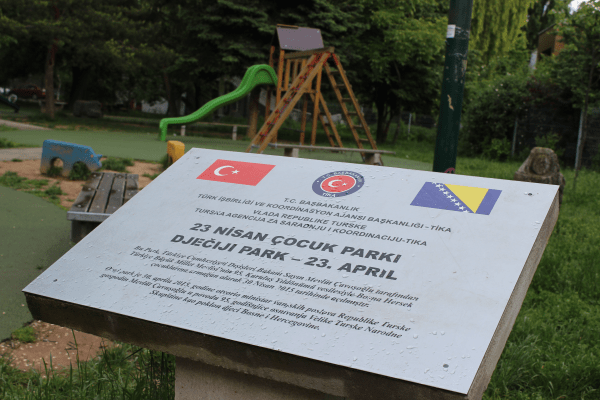
Whether free iftar meals, collective circumcision ceremonies for Balkan boys by Turkish circumcisers (sünnet şölenleri), renovations and constructions of mosques, hammams, fountains, public squares, bridges or similar activities: Turkish public diplomats' activities are disproportionally often religiously embellished. Yet, these activities are not pursued solely for altruistic reasons or for „their ‘magical value’, which Mauss saw was 'still present in sadaqa’“, as some authors have interpreted other forms of gift exchange under Islamic auspices. The gift, as Mauss had it, involves and demands reciprocity. In the case of Turkish-Bosnian cross-border neo-populism, a „mixed economy“ is at play between AKP-governed, Turkish municipalities and their Bosnian counterparts: spiritual categories are distinctively present – while they are blended and traded together with the „hard currencies“ of the capitalist market of public opinions. This means that the gifted („the invested“, „the helped ones“) are expected to deliver, in return, to their donor with consent and supportive public opinions.
[Public Diplomacy] „We will reappropriate our forefathers‘ lands“: the ruling party and the Balkans (Part 6/8)
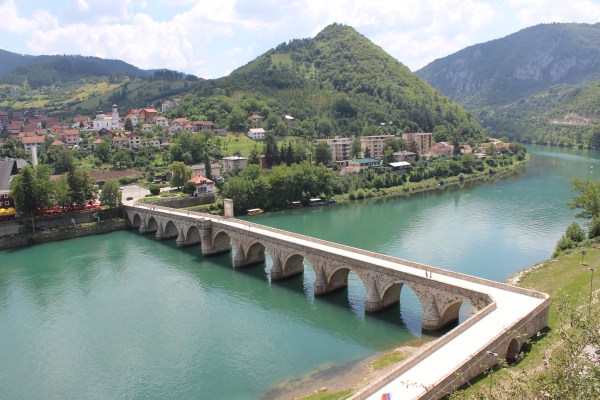
The Turkish ruling regime's problematic use of a vocabulary that appears to be identical with that of many Balkan post-migrants manifests in one of the goals of the AKP's „Vision 2023“ on its official homepage. There, a collective „we“ announces that „we will (re-)appropriate the reminiscences of our forefathers“ („Atayadigârlarımıza sahip çıkacağız”), with the historical Old Bridge of Mostar in the background. The same totemic language is applied on the homepage of TİKA, the Turkish Cooperation and Coordination Agency: „Turkey appropriates the monuments of the Ottoman reminiscences in the Balkans“ (Türkiye Balkanlar'daki Osmanlı Yadigârı Eserlere Sahip Çıkıyor). In a similar vein, the reminiscence (yadigâr) is more frequently paraphrased by the notion of the „Ottoman heritage“ (Osmanlı Mirası): thus, figurative kinship relations to the Balkans (heritage) are constructed. This figurative kinship is also expressed in countless other public speech acts, where Bosniaks and Turks are regularly called siblings (kardeş) and relatives (akraba), regardless of their biographies. Similarly, Bosnia, Kosovo, or other places were often called „home“ or declared identical with Turkey by Turkish officials. These samples show that the understanding of the nation-state itself and its borders was widened by the AKP regime throughout the past years, characterized by the use of kinship-metaphores. Concomitantly, the existing and conflictuous questions of belonging, ownership, sovereignty and territoriality in the Western Balkans were even amplified.
[Public Diplomacy] ‚Hemşehrilik‘ (fellow-townsmenship) and the venture of Bosnian-Turkish sibling cities (Part 5/8)
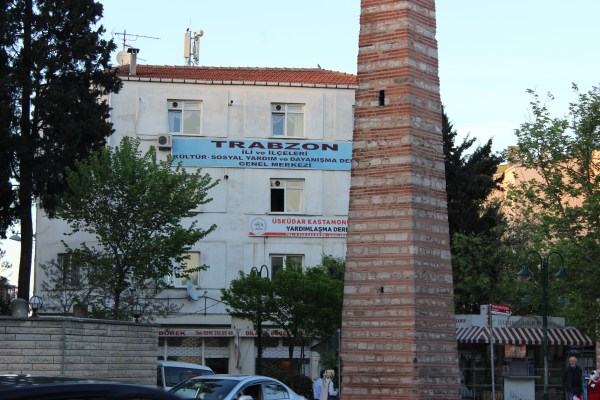
As this example shows, being different from the others -- as Muhacir -- does not mean being other than Turkish: it rather means that there are one or more deep societal conflicts about the understanding how to be Turkish, and/or who determines what Turkish and Turkish culture would possibly be. I was told in practically every single interview with Bosniak Muhacirs (and their offspring) in Turkey what they perceive of as the most fundamental difference between themselves and 'the others': they would never -- down "to the seventh or ninth generation" -- ever marry their akraba (= relatives). Cousin marriage -- in the Arabic speaking Middle East described as bint 'amm marriage by anthropologists -- is in Turkey known as akraba evliliği. It is considered to be an eastern practice by Bosniak Muhacir people in Turkey, which corresponds to the fact that in the Balkans, cousin marriage is practically taboo and considered incestuous. Hence, the reactions of many Bosniak Muhacir people to the fact that some of their Anatolian compatriots practice it, often were expressed in extreme disgust. "Bunlar kültürsüz" -- they have no culture -- was often added as an explanatory comment. The importance of this societal conflict, where representatives of both sides can claim their own establishedness and the other side's outsiderness, should not be underestimated in the way how figurative kinship is established through sibling cities (kardeş şehir), either by representatives of the ruling party, or by Muhacir groups: even though representatives of both groups use the same kinship metaphores (like sibling / kardeş) and speak about culture (kültür), they may fundamentally disagree over the meaning and the role of their agnatic or figurative akraba (kinship) -- as the example of akraba evliliği shows. In the same vein, there are fundamental disagreements over the notion of culture, and the way how culture is brokered by official Turkish cultural centers and initiatives on the market of public opinions in the Balkans.
[Public Diplomacy] The illiberal framework for Turkish municipalities‘ scope of action abroad (Part 4/8)
The long shadow of all these conflicts resonates in the hierarchical interrelationship of Turkey's territorial-administrative structures – and also in the way how relations are established to municipalities in the Balkans. In this regard, one territorial-administrative feature of Turkey is crucial: the institution of the district governorate (kaymakamlık) and/or the governorate (valilik), whose main administrator, the governor, is called kaymakam or vali. The vali is widely regarded as the state’s extended arm into the city – and in fact, it can be seen as a parallel administration to the elected mayors' offices. The vali is directly bound to the centralized government in Ankara, and as such, it can bypass the electoral process, especially the local elections (Mahallî İdareler Genel Seçimleri). In this way, many local governments and municipal leaders who had been elected in the 2019 local elections were, in the meantime, forcibly dismissed and replaced by governors (vali / kaymakam).
[Public Diplomacy] The territorial-administrative structure of Turkey (Part 3/8)
Although the exact number of Istanbulites is subject to discussions, official figures assume that approximately 16 million out of 84.711.239 million inhabitants of Turkey live in Istanbul, which makes up to 20 % of the total population. Together with 29 other Turkish cities (şehir), Istanbul is attributed the status of a metropolis (büyükşehir, literally: big city). As Istanbul comprises 39 districts (ilçe) with their own, respective municipal sub-governments (belediye), each presided by a mayor (belediyebaşkanı), the metropolitan government (büyükşehir belediyesi) of the whole metropolis is represented by the metropolitan mayor (büyükşehir belediyebaşkanı). Currently (January 2021), this position is filled by Ekrem İmamoğlu from the oppositional CHP (as initially mentioned).
[Public Diplomacy] Turkish-Bosnian sibling cities and a semantic problem with ‚populism'(Part 2/8)
The stress of the Ottoman past in the official Turkish actors' cultural initiatives is the reason why their activities have been classified cultural diplomacy from the very beginning of their visibility in the Balkans. The year 2009, when the first branch of the Yunus-Emre-Cultural Centers opened its doors in the Bosnian capital Sarajevo, can be seen as a first significant benchmark. However, Turkish culture and cultural diplomacy are not only promoted in direct and subtle ways by offical representatives of the Turkish state: from the point of view of soft power – which according to Joseph Nye needs to work subtly in order to be successful – the popularity of Turkish TV-series was (and still is) of enormous relevance. Especially the latter aspect implies that an understanding of the appeal of “Turkish culture” in the Balkans cannot solely be explained by studying the ruling regime's activities: much broader strata of the involved societies (e.g. TV consumers/prosumers in Bosnia and Turkey) and their various discoursive contexts are, as informal actors, involved in the process of cultural diplomacy.
[Public Diplomacy] Can networks of local governments challenge the rise of cross-border neo-populism? (Part 1/8)
In this contribution, I will discuss the possibilities and limits of town twinnings, city diplomacy and coalitions of mayors as possible solutions to the global rise of populism and neo-populism. I will focus the case of Turkish-Bosnian (Bosniak) town twinnings, which will be called sibling cities throughout the text: this metaphore better responds to the Turkish notion of kardeş şehir, the Bosnian notion pobratimlja, and the asymmetrical relationship of these arrangements. These recent forms of town twinnings are deviant from many other, well-known examples -- mainly for being dominated by authoritarian, right-wing and neo-populist actors. Populism, despite being a global trend, is often perceived as a phenomenon that occurs inside a given nation-state. However, cross-border coalitions of municipalities between Bosnia-Herzegovina and Turkey together form a polity beyond the level of national governments; at once, they remain being heavily shaped by the latter. Alongside with this phenomenon, a new form of cross-border neo-populism is emerging: unlike „classical“ populism, neo-populism addresses more than one populus (people).
[Geschichte] History Fest Sarajevo: von gemeinsamer Vergangenheit zu geteilter Geschichte
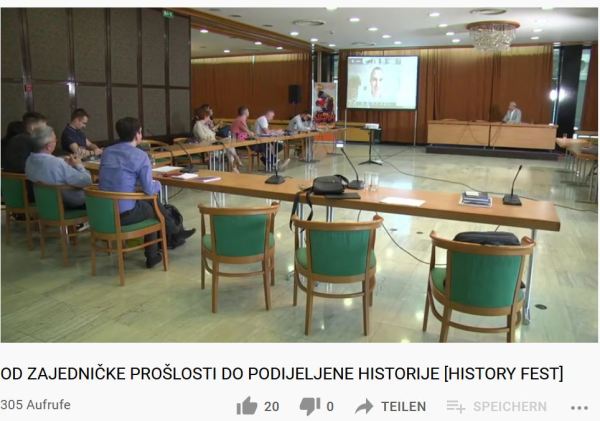
Am 9. Juni 2021 habe ich zusammen mit Kolleginnen aus Berlin und Südosteuropa an der Historikerinnenkonferenz History Fest teilgenommen. Die Veranstaltung fand in der bosnischen Hauptstadt Sarajevo statt: dort wurde sie am Vorabend von Benjamina Karić, der neuen Bürgermeisterin Sarajevos, in der Vijećnica eröffnet. Das History Fest dauert(e) insgesamt vom 8. - 12. Juni 2021 und wurde unter der Federführung von Professor Husnija Kamberović organisiert. Die Veranstaltung fand auf Jezik* statt. Unsere gestrige Veranstaltung kann als eigene Konferenz im Rahmen des History Fests betrachtet werden. Sie trug den Titel "Gesellschaft und Geschichtsschreibung im südöstlichen Europa -- von gemeinsamer Vergangenheit zu geteilter Geschichte".
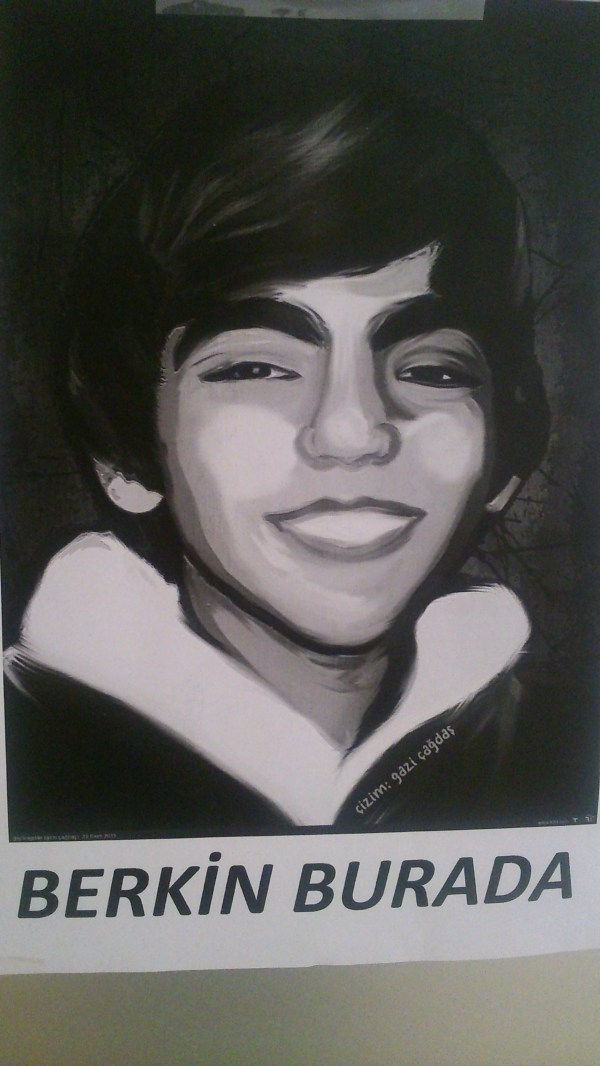
[Öffentliche Meinungen] „Gezi ist jetzt acht“ (I): Istanbul zwischen Farbenfreude und Ergrauen
Vor ein paar Tagen kursierte in den Online Social Media die Botschaft "Gezi ist acht Jahre alt" (Gezi 8 yaşında) -- als handle es sich bei den türkischen Protesten vom Spätfrühling und Sommer 2013 um ein kleines Kind, das allmählich heranwächst. Ein geschlagenes Kind, muss man jedoch dazu sagen: wie wahrscheinlich noch die meisten Türkei... Continue Reading →
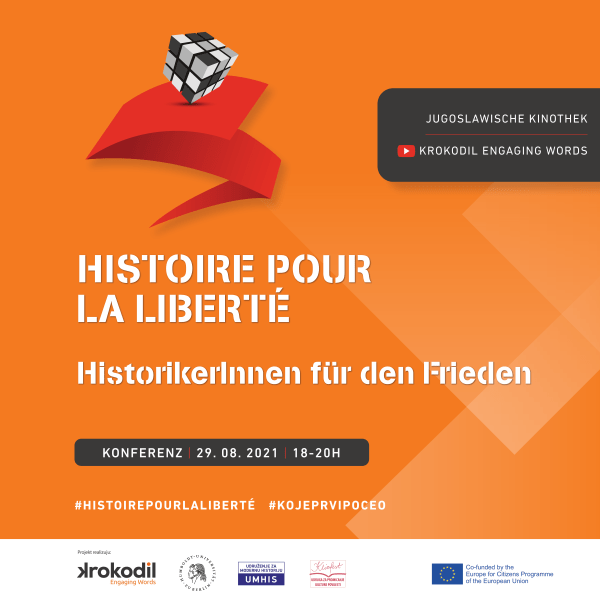
[Geschichte] Kliofest Zagreb: „Wider den historischen Revisionismus, für die Revision historischer Erkenntnis“
Im Rahmen des Kliofests, das bereits am Vortag begonnen hatte, fanden mehrere Einzelveranstaltungen zu ganz unterschiedlichen Themen statt. Unser Teil, der von 11:00 bis 14:00 Uhr dauerte, trug den Titel "WIDER den historischen Revisionismus, FÜR die Revision historischer Erkenntnis" (PROTIV historijskog revizionizma, ZA reviziju povijesnih spoznaja). Dieses Thema und die Teilveranstaltung waren wiederum Teil eines größeren Projekts mit dem Titel Histoire pour la liberté (Geschichte für die Freiheit), das sich mit dem weiteren Kontext des geschichtlichen Revisionismus in der Region (sowie darüber hinaus / in Deutschland) befasst. Von der großen Aktualität und Relevanz des Themas zeugen die sich überschlagenden Nachrichten, Film- und Serienproduktionen in der Region, die zu großen öffentlichen Debatten und Verwerfungen führen. Wie Dubravka Stojanović aus Belgrad es in ihrem Beitrag pointiert hat: damit wird der Grund bereitet für Konflikte und schlimmstenfalls "die psychologische Möglichkeit neuer Probleme" geschaffen.
[Bosnia] Ekspozej: Književni projekat „Bosna u Berlinu“
Rat u Bosni i Hercegovini je okončan prije više od 25 godina, neposred poslije užasnog vrhunca: genocida u Srebrenici. Ova 25. godišnjica je bila povod dvjema panel-diskusijama, organizovanim od katedre za južnu slavistiku na Humboldt-Univerzitetu u okviru Berlin Science Week @ HU, koje je moderirao historičar Thomas Schad. Nakon panel-diskusije, nastala je ideja za pisanje knjige „Bosnien in Berlin“ (Bosna u Berlinu). Pet mladih žena iz Bosne i Hercegovine, Srbije i Njemačke su izlagale raznolike perspektive u okviru ove diskusije i usprkos različite starosne dobi (i unatoč različitim doživljajima), sve govornice pak spaja jedno: s autobiografske ali i znanstvene strane se sve susreću i bave temom rata u Bosni i Hercegovini. Učesnice i učesnici manifestacije su imali osjećaj da njihove priče i doživljaji nisu ispričani do kraja. Potaknuti velikim javnim interesom i pozitivnim odjekom, donijeli su odluku da nastave pričati i pisati knjigu s radnim naslovom „Bosnien in Berlin“.
[Pandemos] Reichsflaggen, Pandemie und Klimawandel: ein falsches Aufsprengenwollen der Geschichte
Die Szenen vom Reichstagsgebäude im Zusammenhang mit der sogenannten "Hygienedemo" am Samstag, den 30.8.2020 in Berlin, getragen von sogenannten Corona-Skeptikern, angeblichen "Querdenkern", "Reichsbürgern" und einer unüberschaubaren Vielzahl unterschiedlicher Menschengruppen ("Peter und Cordula", hat das glaube ich jemand im Feilleton genannt), veranlassen mich zu diesem Beitrag. Präziser gesagt: es geht mir um die Reichsflaggen, die in... Continue Reading →
[Heine-Projekt] 6 Uneigentlicher Wald: Heines Metapherngebrauch
Wie im letzten Kapitel anhand des Figurationsmodells (Abb. unten) skizziert, spielen Frankreich und das deutsch-französische Verhältnis in Heinrich Heines Schriften eine zentrale Rolle. Dies gilt besonders für den hier analysierten Text Die Romantische Schule, der sowohl mit einer französischen, als auch mit einer deutschen Leserschaft korrespondiert. Frankreich und Deutschland stehen schon aus autobiographischen Gründen der... Continue Reading →
[Heine-Projekt] 5.3 Die Romantiker: Ressentiment oder Rebellion?
Hannah Arendt hatte für ihr Varnhagen-Buch ursprünglich den Titel "Die Melodie eines beleidigten Herzens, nachgepfiffen mit Variationen von Hannah Arendt" vorgeschlagen, der sich jedoch weder bei ihrem deutschen Verleger Klaus Piper durchsetzen ließ, noch in der englischen Übersetzung wiederfindet.83 Die Bezeichnung des "beleidigten Herzens" erscheint insofern als passend, als Rahel Varnhagen vor dem im letzten... Continue Reading →