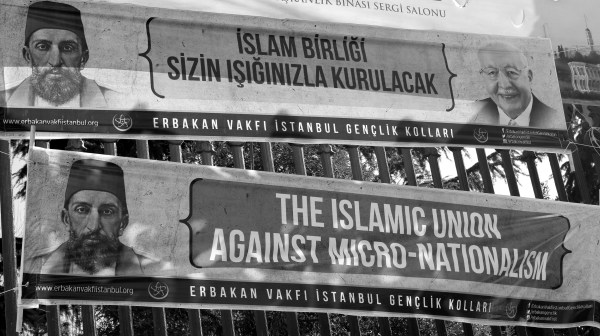
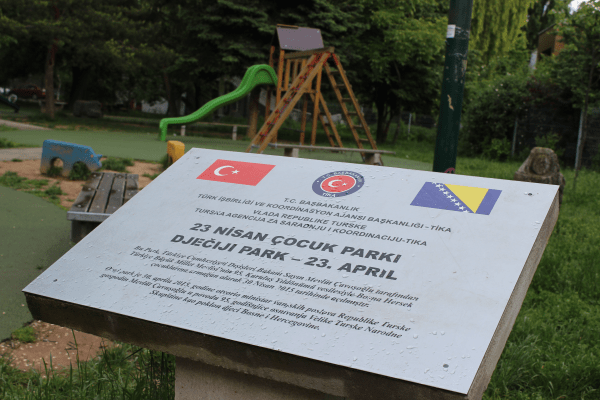
Im Gegensatz zur Fülle von Studien zur Öffentlichen Diplomatie und zu Populismus im Allgemeinen gibt es bisher keine Studien zum Neopopulismus im bosniakisch-türkischen Kontext, wie er hier verstanden wird: Neopopulismus ist ein grenzüberschreitendes Phänomen, das mehr als eine nationale Öffentlichkeit anspricht. Um die relative Abwesenheit von Literatur zu diesem Thema zu erklären, sollte eine Sichtung ausgewählter Arbeiten zum Populismus hilfreich sein. Dabei behalte ich zwei Grundannahmen im Blick: Erstens kann (und sollte) der türkisch-bosniakische Neopopulismus, wie jede andere Form des zeitgenössischen Populismus, in einen viel breiteren, europäischen und sogar globalen Kontext des Aufstiegs illiberaler, populistischer Bewegungen eingeordnet werden. Dies ergibt sich allein schon aus der Tatsache, dass die medialisierte Öffentlichkeit in einem vorher nie da gewesenen Maß entgrenzt und kosmopolitisiert ist. Zweitens, und trotz der allgemeinen Probleme der Vagheit und des Dissenzes in den häufigsten Definitionen des Populismus (Vgl. Mudde & Rovira Kaltwasser 2017; Rosanvallon 2020), sollen die am häufigsten angenommenen Kernelemente des Populismus (Volk, Elite, Vox Populi, etc.) hervorgehoben werden, weil die Betrachtung dieser Begriffe helfen können, zu verstehen, warum das Konzept des Populismus sowohl eine passende, als auch problematische Kategorie in dem gegebenen, grenzüberschreitenden Kontext der Türkei und Bosnien ist -- und weshalb besser von Neopopulismus die Rede sein sollte, wenn beschrieben wird, was sich in diesem zunehmend entgrenzten Zwischenraum entfaltet.
[Öffentliche Diplomatie] Türkisch-bosnische Geschwisterstädte und ein semantisches Problem mit ‚Populismus‘ (Teil 2/8)

 DUNYALOOK