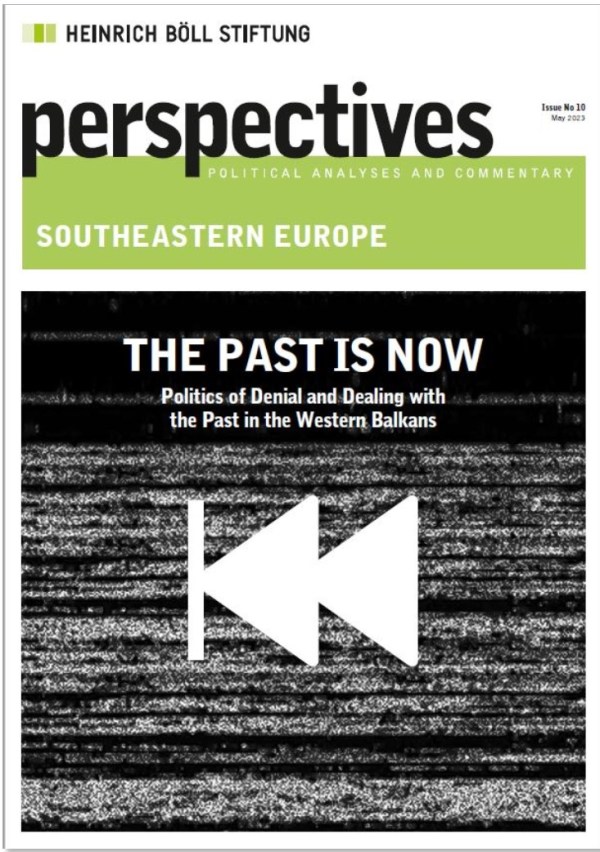
Perspectives Southeastern Europe is a publication series of the Southeastern Europe offices of the Heinrich-Böll-Stiftung. The focus is on Serbia and Bosnia and Herzegovina, where the foundation has established offices. The new volume titeld "The Past is now – Politics of Denial and Dealing with the Past in the Western Balkans" was just published and... Continue Reading →
[Öffentliche Diplomatie] Mit Städtediplomatie gegen den Neopopulismus? (Teil 1/8)
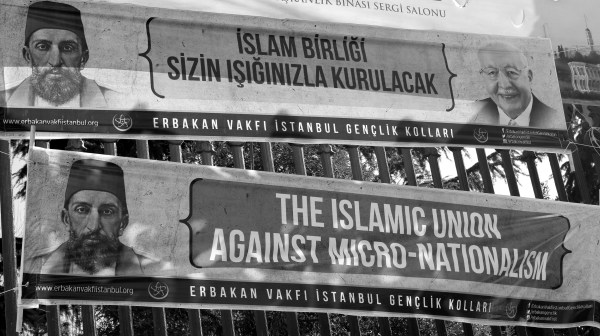
In diesem Beitrag werde ich die Möglichkeiten und Grenzen von Städtepartnerschaften, Städtediplomatie, Koalitionen von Gemeinden und zivilgesellschaftlicher Akteure als mögliche Lösungen für den globalen Aufstieg von Populismus und Neopopulismus diskutieren. Ich werde mich auf den Fall der türkisch-bosnischen (bosniakischen) Städte- und Gemeindepartnerschaften konzentrieren, die im gesamten Text als „Geschwisterstädte“ bezeichnet werden: Diese Metapher wird dem türkischen Begriff 'kardeş şehir', dem bosnischen Begriff 'pobratimlja' und der asymmetrischen, hierarchischen Beziehung dieser Arrangements besser gerecht. Diese neueren Formen von Städte- und Gemeindepartnerschaften weichen von vielen anderen, bekannten Beispielen ab – vor allem, weil sie von autoritären, rechten und neopopulistischen Akteuren dominiert werden.
[Public Diplomacy] Turkish-Bosnian sibling cities and a semantic problem with ‚populism'(Part 2/8)
The stress of the Ottoman past in the official Turkish actors' cultural initiatives is the reason why their activities have been classified cultural diplomacy from the very beginning of their visibility in the Balkans. The year 2009, when the first branch of the Yunus-Emre-Cultural Centers opened its doors in the Bosnian capital Sarajevo, can be seen as a first significant benchmark. However, Turkish culture and cultural diplomacy are not only promoted in direct and subtle ways by offical representatives of the Turkish state: from the point of view of soft power – which according to Joseph Nye needs to work subtly in order to be successful – the popularity of Turkish TV-series was (and still is) of enormous relevance. Especially the latter aspect implies that an understanding of the appeal of “Turkish culture” in the Balkans cannot solely be explained by studying the ruling regime's activities: much broader strata of the involved societies (e.g. TV consumers/prosumers in Bosnia and Turkey) and their various discoursive contexts are, as informal actors, involved in the process of cultural diplomacy.